The Right Tool for the Job: Fast AI Development that Scales
We've been building an AI research agent for an architecture firm. The agent handles building code research - all the regulations that govern a construction project. Fire codes, ADA requirements, municipal rules, special provisions for flood zones or earthquakes, and so on. It's tedious, detail-oriented work, exactly the sort of thing you'd want to delegate to AI.
The AI agent's research work was promising, but the output format–zip archives of markup docs–made it hard for the client to review it and compare outputs from different models and prompts. Each iteration meant downloading, unzipping, and opening multiple folders and documents.
This process was slowing everything to a crawl. What should have taken 15 minutes was eating up hours. We needed their feedback to improve the agent, and they needed to do actual architecture work. We'd run into a common obstacle, the point where building an optimization gets blocked by more urgent day-to-day needs.
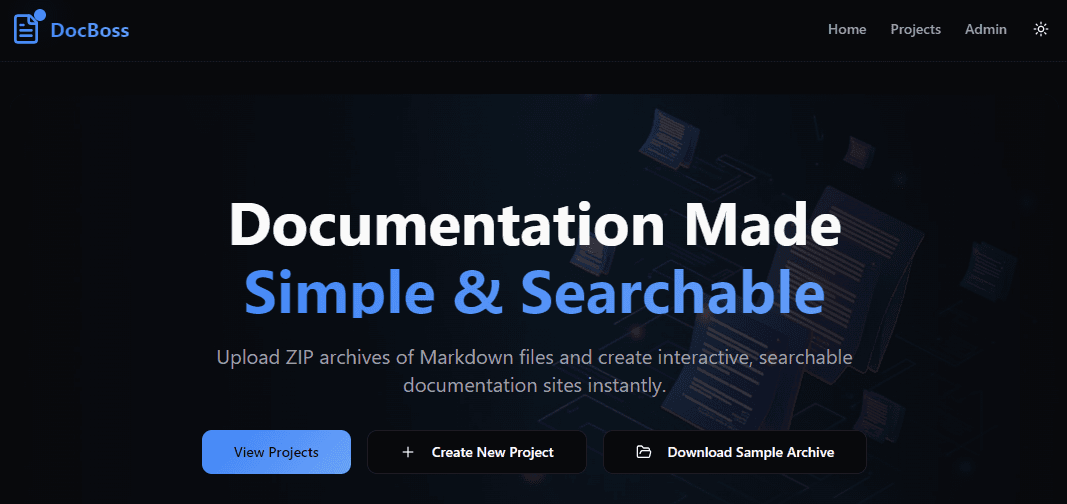
In a different era, getting unblocked would have been a hassle of meetings, kludgy fixes or weeks of delay. With modern AI development processes, we were able to ship a user-friendly document viewing platform in less than a day. Now, the client could view the research output like web pages, click around and easily make side-by-side comparisons, and give us feedback.
The Development Workflow
The workflow we used is one of our favorite methods for prototyping, and illustrates the value of using different tools at different development stages. We started in Lovable, a vibe-coding platform that's excellent for design and UX development. One prompt got us a professional-looking interface and basic structure, and a few more refined the experience.
Once we needed database integration and authentication, we moved the project to Cursor to finish the build. Like most vibe-coding tools, Lovable tries to keep users out of trouble by managing these integrations, but that starts to lock your project into their ecosystem. By using a general purpose development tool like Cursor to manage data storage, authentication, and bug fixes, we're able to take what we started on Lovable and end up with something that can be hosted anywhere.
We deployed the app using Cloudflare Workers. Their free tier handles small-scale projects like this easily, and still comes with the performance, security and reliability Cloudflare is known for.
Results
The whole prototype was live in less than a day. More importantly, it solved the actual problem. Reviews that took an hour now take 15 minutes. Our client can navigate the agent's output the same way they navigate any website. They can focus on evaluating the content instead of wrestling with file management.
In building this, we also helped out our future selves. The architecture we built is reusable, and can be used to display and navigate any sort of document we need.
We think this is what practical AI development should be. Fast prototyping where it makes sense, and traditional tooling and security where it matters.
If you're working on AI research projects or business automations and need help building solutions that actually work, reach out.